


Childproofing a remodeled home by tackling key hazards

A fresh remodel can make a home feel safer, but familiar rooms still hold hazards at a child’s eye level. Childproofing a remodeled home starts with anchoring unstable furniture and TVs, covering unused outlets, and keeping cords, candles, and hot cooking areas out of reach. Use securely installed gates at stairways, and store cleaning products where children can’t reach them.
After a renovation, it’s natural to focus on the finished surfaces and new layout. But small details, such as a dangling cord or a drawer of sharp utensils, can affect how safely children move through the space. Practical adjustments can help reduce common injury risks without making family rooms feel off-limits.
This guide covers furniture, TVs, ranges, outlets, cords, candles, and rooms that need restricted access. It also explains how everyday hazards, from falls and burns to choking risks, fit into a broader home-safety plan.
Table of Contents
1. Anchoring furniture, TVs, and ranges
Prioritize rooms where young children can reach heavy furniture, televisions, hot ranges, or stored items. Start with living rooms, bedrooms, kitchens, and laundry spaces. Secure tall bookcases, dressers, cabinets, and drawers before children explore them. These steps address tip-over and burn hazards that can cause injury.
Anchor top-heavy dressers, bookcases, and cabinets to the wall with brackets, braces, or straps. Secure televisions too, whether they sit on a media console or hang above it. An open drawer can shift a dresser’s weight forward if a child pulls on it. Attach furniture before storing toys or clothes in lower drawers. Keep heavier objects on lower shelves, avoid placing favorite toys atop tall furniture, and close drawers after use so they don’t become climbing steps.
Review the room layout from a young child’s height. Move stools and toy bins away from bookcases, windows, and TV stands so children can’t use them to climb. Keep walkways clear of laundry baskets and loose items that could cause a fall. Use low, stable storage for everyday toys, and fasten every taller unit. Recheck anchors if a sofa, console, or dresser is moved during the remodel.
Secure the range against tipping with an anti-tip device installed according to its instructions. Turn pan handles away from the edge, and use rear burners when children are nearby. Keep children out of the cooking zone, and don’t let them use oven doors as footholds. Store cookware and other heavy kitchen items where children can’t pull them down.
Finish with a quick room-by-room check: test each anchored item for movement, then close and tug drawers and cabinet doors. According to the National Fire Protection Association, change smoke alarm batteries at least once a year, or consider sealed 10-year batteries. Include alarms near bedrooms in your routine so a safer layout also has working fire alerts.
2. Outlet, window cord, and candle safety
Walk through each room and cover unused electrical outlets with outlet covers or safety plugs. Remove coins, clips, and other small objects from nearby surfaces where curious children might find them. Plan outlet locations before furniture and appliances are put in place, an important step in childproofing a remodeled home. Check bedrooms, living areas, hallways, and bathrooms, where outlets may be close to sinks and daily-use items. Secure cabinets and drawers that contain small objects, too.
Keep electrical cords out of reach with cord covers or careful furniture placement. Don’t run cords across walkways, beneath rugs, or where a child could pull an appliance down. Put hair tools away after use, and keep their cords from dangling near bathroom counters. Unplug small appliances when they aren’t needed, and route frequently used cords away from play spaces. These steps support childproofing a remodeled home without cluttering everyday paths.
Remove looped window blind cords to prevent a suffocation hazard, and use safety tassels and cord stops instead. Choose cordless window coverings when possible. If corded coverings remain, secure their cords well beyond a child’s reach. The Window Covering Safety Council can be reached at 800-506-4636 for a free repair kit if corded coverings can’t be replaced with cordless ones. If window guards are installed, limit openings, including gaps between bars, to four inches or less.
Place candles on stable surfaces where children can’t reach or knock them over. Keep flames away from curtains, bedding, and paper, and extinguish each candle before leaving the room. Store matches and lighters out of sight and reach. During bathroom remodeling, plan outlets, storage, and counter space together so cords and small objects stay away from children’s usual paths.

3. Restricted rooms and kitchen safety
Use magnetic safety locks on kitchen cabinets and drawers containing knives, glassware, or cleaning products. Keep household cleaners out of a toddler’s sight and reach, preferably in a high, locked cabinet. Store sharp utensils separately from everyday plates, and teach children that kitchen tools aren’t toys. A low drawer with safe, lightweight items can give curious hands a safer option.
Install safety gates at both ends of stairs, and secure the top gate to a wall stud. Pressure-mounted removable gates aren’t recommended for stairs; choose a securely installed gate that opens over the landing. Check the fit as children grow. A gate that works for an 8-month-old may not contain an 18-month-old, so reassess the setup as mobility changes.
In bedrooms, fit guardrails on both sides of a bunk bed’s top bunk. Keep the route from each bed to the exit clear, and install working smoke detectors near bedrooms and on every level. Include an escape ladder for upstairs bedrooms. Practice the household fire escape plan twice a year so children know where to go and how to leave.
For severe-weather planning, identify an interior room away from windows and keep its doorway clear. Make sure adults can reach children in their bedrooms, even when a door is closed. A high door lock can restrict access to rooms that contain hazards or are difficult to childproof. Keep the key or release method accessible to adults.
Use cordless window coverings in children’s rooms; if cords remain, secure them well out of reach. During a kitchen remodel, plan storage and clear paths around gates and exits before finalizing cabinets. Install safety devices properly, and reengage locks and gates after each use. A device left open can’t protect a curious child exploring the kitchen or stairs.
4. Home injury risks for children
Falls, burns, choking, poisoning, and carbon monoxide exposure call for more than a single room check. Keep firearms locked, with ammunition locked separately, and place carbon monoxide alarms near sleeping areas and on each level. Set the water heater to 120 °F to help prevent scalds. For infants, keep pillows, blankets, and stuffed animals out of the crib.
Insurance discounts and tax credits aren’t automatic, so don’t budget around them. Eligibility depends on policy terms and applicable tax rules. Professional childproofing costs depend on the home’s layout, the hazards addressed, and whether products, installation, or both are included. A project-specific quote establishes the cost.
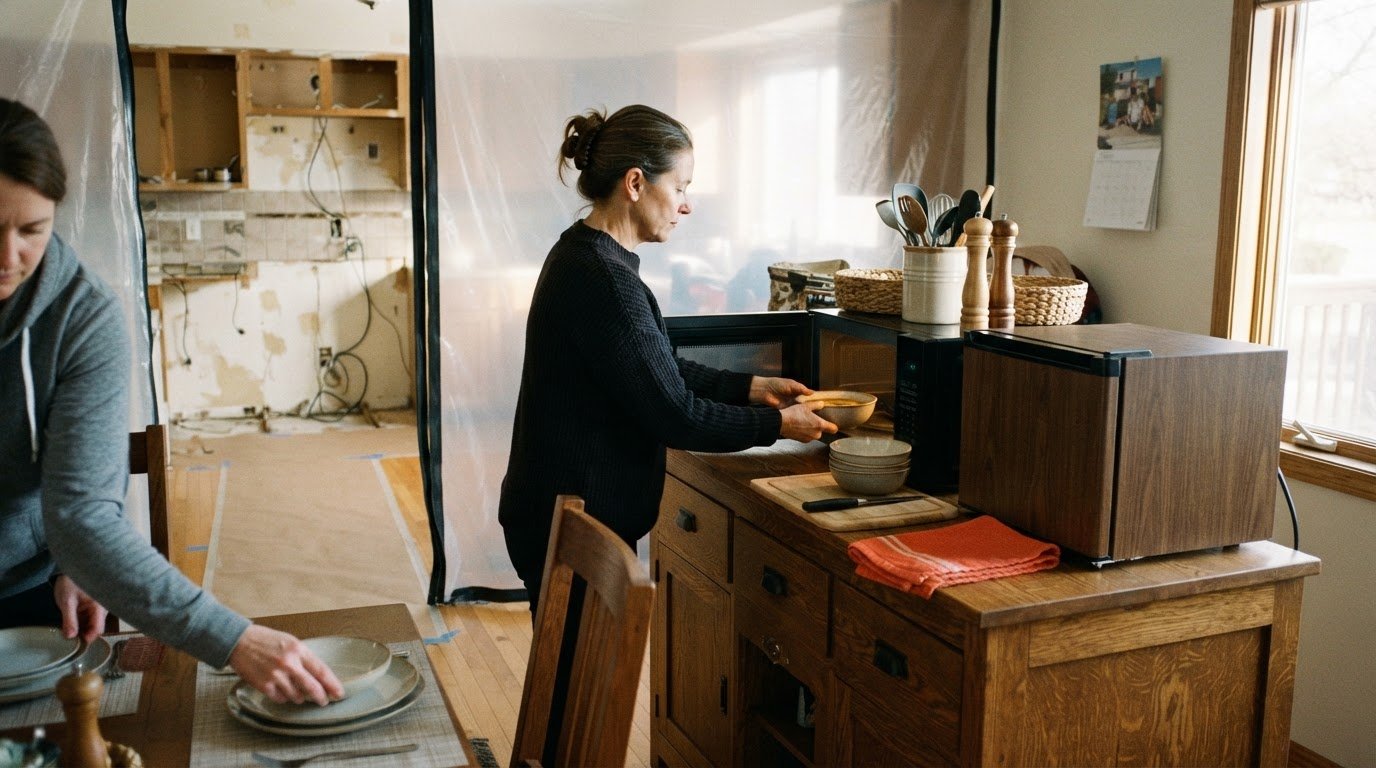
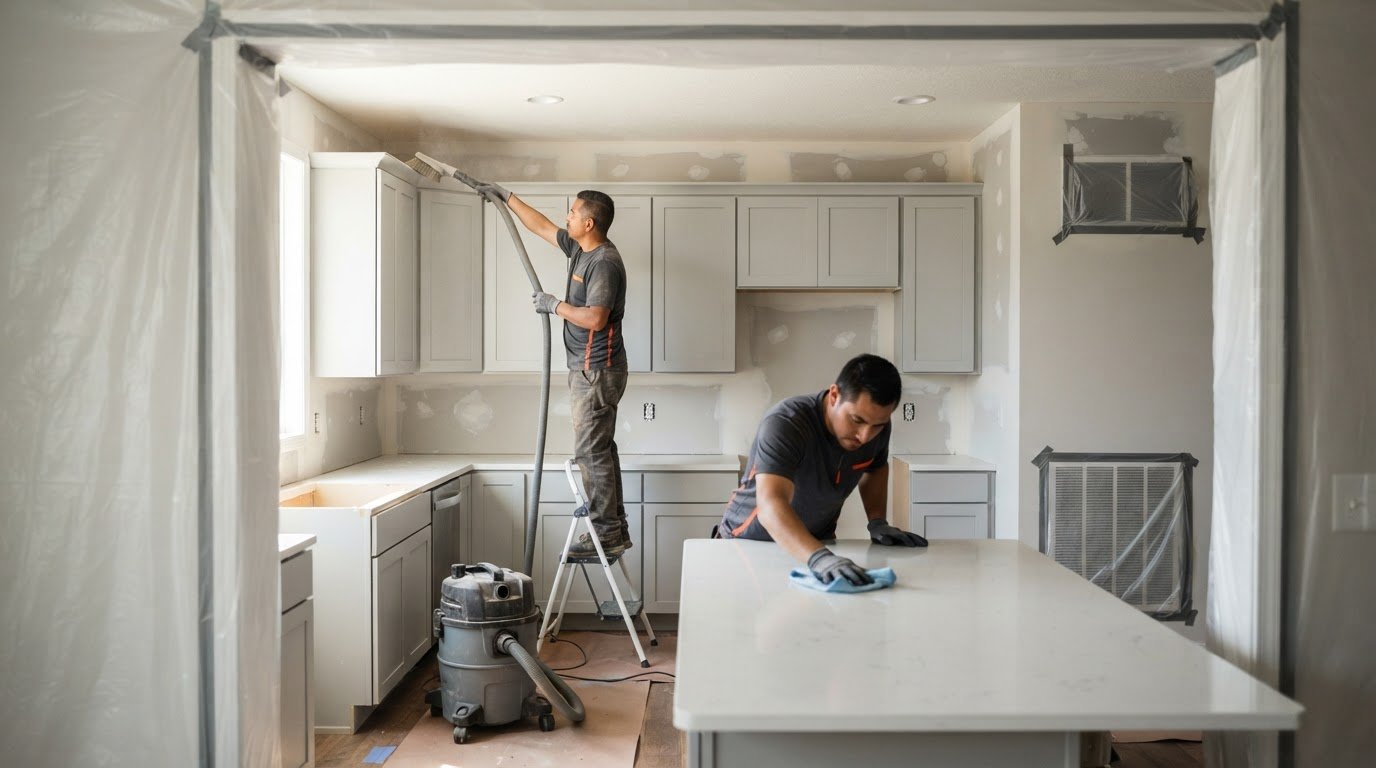
During remodeling, keep children out of active work areas and away from dust, paint, tools, and materials. Close off the work zone, store supplies out of reach, and remove dust and debris before children return. Don’t leave open paint containers, loose hardware, or renovation waste where a child could touch or swallow them.
Avoid recalled products, damaged devices, and latches or gates that children can open or climb. Remove broken parts promptly, and don’t rely on a safety device that no longer fits its intended location. Inspect childproofing devices as children grow and after furniture or room layouts change. New climbing skills can make an old setup ineffective.
Children younger than 4 face serious choking and suffocation risks. In the United States, 1,180 children age 4 and younger died from mechanical suffocation and choking in 2023. Keep small objects, laundry products, and plastic bags out of reach. Young children should never be left unattended in a bath. For a suspected poisoning, call the Poison Control Center Help hotline at 800-222-1222.
Build safety into the renovation plan as well as the finished rooms. Plan a safer remodeling project around the hazards children encounter at home.
Strother Built Construction
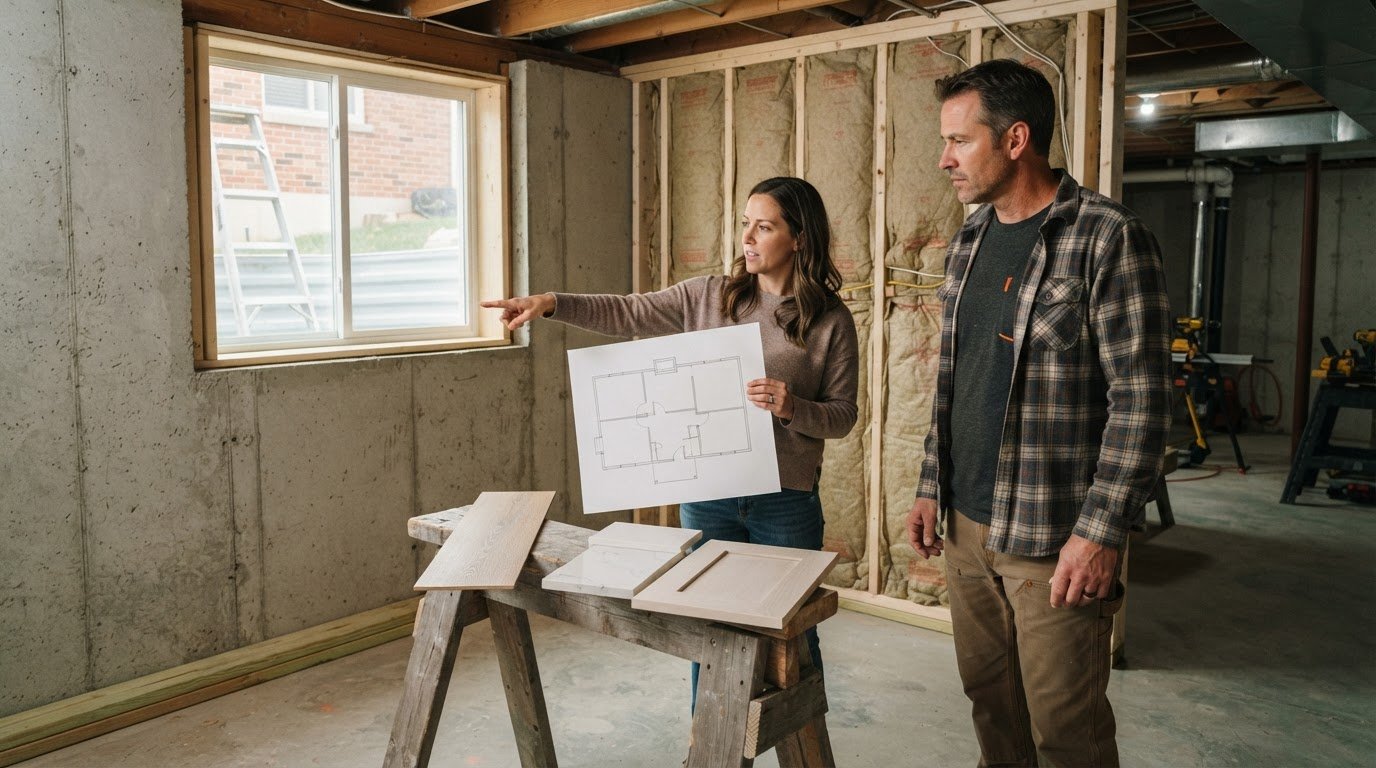
Strother Built Construction can include child safety in a remodeling plan from the start. If your kitchen, bathroom, or basement needs changes, consider how children use the space, where hazards may arise, and how the layout can support safer routines.
Architectural Design services can help shape a renovation around your household’s needs, while remodeling work brings those plans into your home. Share which rooms concern you most and how your family uses them. That conversation can clarify how thoughtful design and construction can support your childproofing goals.
For a remodel that considers both everyday function and children’s safety, contact Strother Built Construction to discuss your project.
Make child safety part of your next project
A remodeled space changes how your family moves through the home, and children’s needs change as they grow. Treat childproofing a remodeled home as an ongoing part of planning, not a task that ends when construction is complete. As routines shift or rooms take on new purposes, revisit how the space works for your household.
When a renovation could improve how your family uses a space, include child safety in the conversation from the start. Strother Built Construction offers Kitchen Remodeling, Bathroom Remodeling, and Basement Remodeling, giving you the opportunity to consider family needs alongside layout and function. Thoughtful planning can help your home feel welcoming while supporting safer daily routines.
Ready to discuss a project and the way your family lives at home? Contact Strother Built Construction today. Take the next step toward a home that grows with your family.
Frequently Asked Questions
What child safety features should be included during a home remodel?
Plan safety into the layout, storage, and finishes before construction details are finalized. Place frequently used supplies where adults can reach them without leaving hazardous items in low storage, and consider where a child might climb or pull. Review each room as part of the whole home, including doors, windows, and routes between sleeping areas and exits.
How should parents childproof stairs, windows, and balconies?
Use a securely installed gate at stair access, and keep climbing aids away from windows and balcony doors. In homes with window guards, limit openings to four inches or less, including gaps between guard bars. Keep at least one guarded window in each room easy to use for fire escape. Restrict balcony access and keep furniture away from railings.
What outlet covers, cabinet locks, and furniture anchors are safest for children?
Choose devices that fit the specific outlet, cabinet, or piece of furniture, then install them as directed and reengage them after use. Outlet covers protect unused receptacles, magnetic locks secure cabinets and drawers, and wall straps or brackets stabilize top-heavy furniture. A loose, damaged, or disengaged device can’t serve its intended purpose.
What are the safest options for stair gates and window guards?
For stairs, use a gate secured to a wall stud, with the gate opening over the landing; avoid pressure-mounted removable gates there. Choose window guards that limit openings to four inches or less, including spaces between bars. Preserve an easy-to-use escape window in each guarded room. Reassess the setup as children grow, become more mobile, or learn to operate latches.
What childproofing products should be avoided or recalled?
Avoid recalled products, damaged safety devices, and latches or gates that children can open or climb. Remove broken parts promptly, and don’t rely on a device that no longer fits its intended location.
Comments