


Living in Your Home During a Remodel: Plan Work and Meals

You can often stay home during a remodel, but the right choice depends on which rooms are affected and how your household can adapt. For many people, living in your home during a remodel is manageable with a plan for noise, dust, work hours, and daily routines.
That doesn’t mean life carries on as usual. A kitchen may be out of commission, a bathroom temporarily unavailable, and construction activity may make working or relaxing at home more difficult. Planning ahead can make these disruptions easier to handle.
Here’s how to prepare a workable space for remote work, plan meals while the kitchen is under construction, and decide whether to stay home or find temporary accommodation. You’ll also learn what to discuss with your remodeling team before work begins, so you can plan around your household’s needs.
Table of Contents
1. Can I keep working from home during construction?
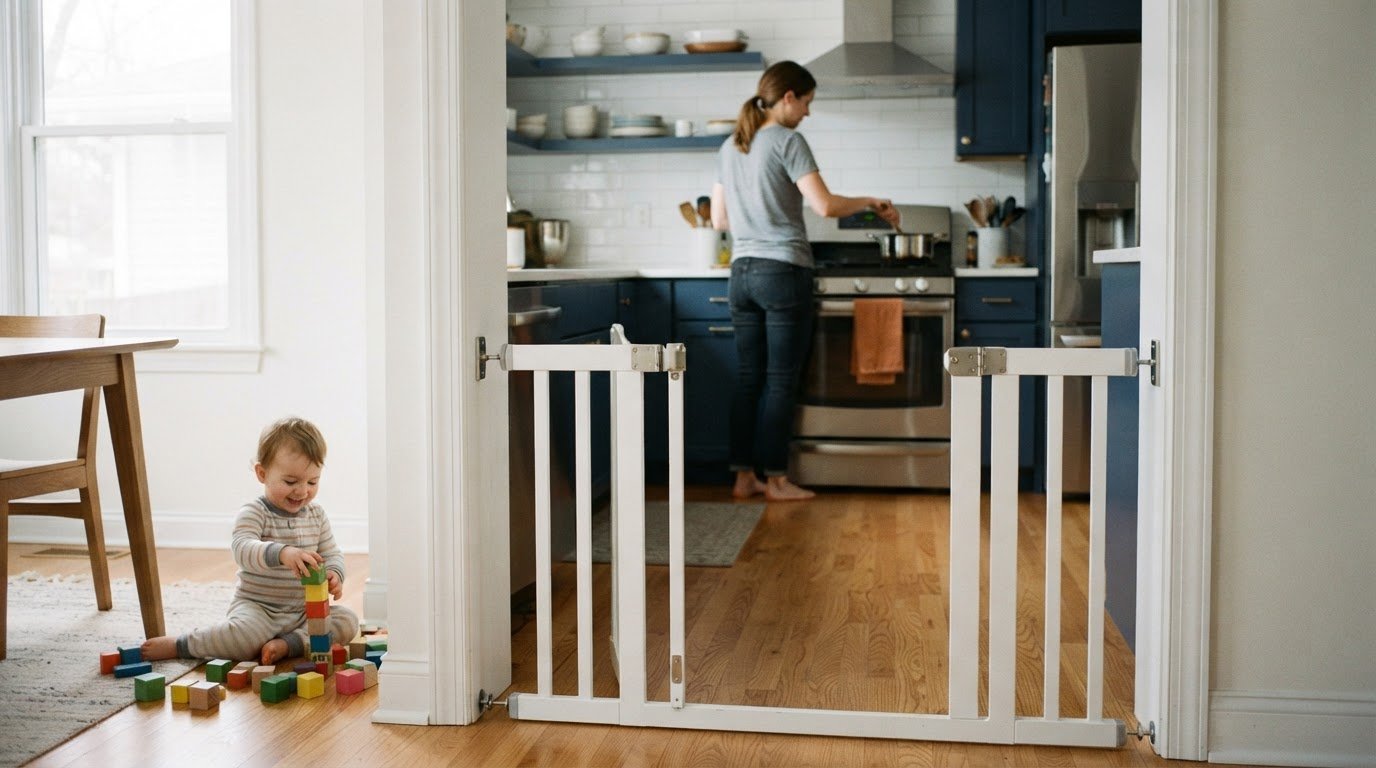
Yes, you can often work from home during construction if the work zone is separate from your workspace. Keep children and pets away from debris, exposed wires, sharp tools, and chemicals, and set clear boundaries to prevent accidental entry. Before work begins, ask which rooms, the garage, or the yard will be off-limits.
Plan for noise and dust, especially during demolition and drywall sanding. Remodeling crews commonly arrive between 7 and 8 a.m. Monday through Friday, so early calls may overlap with active work. Set up a clean, quiet room away from the project, and coordinate quiet times around important meetings. On especially noisy days, working from an office or coffee shop may be easier.
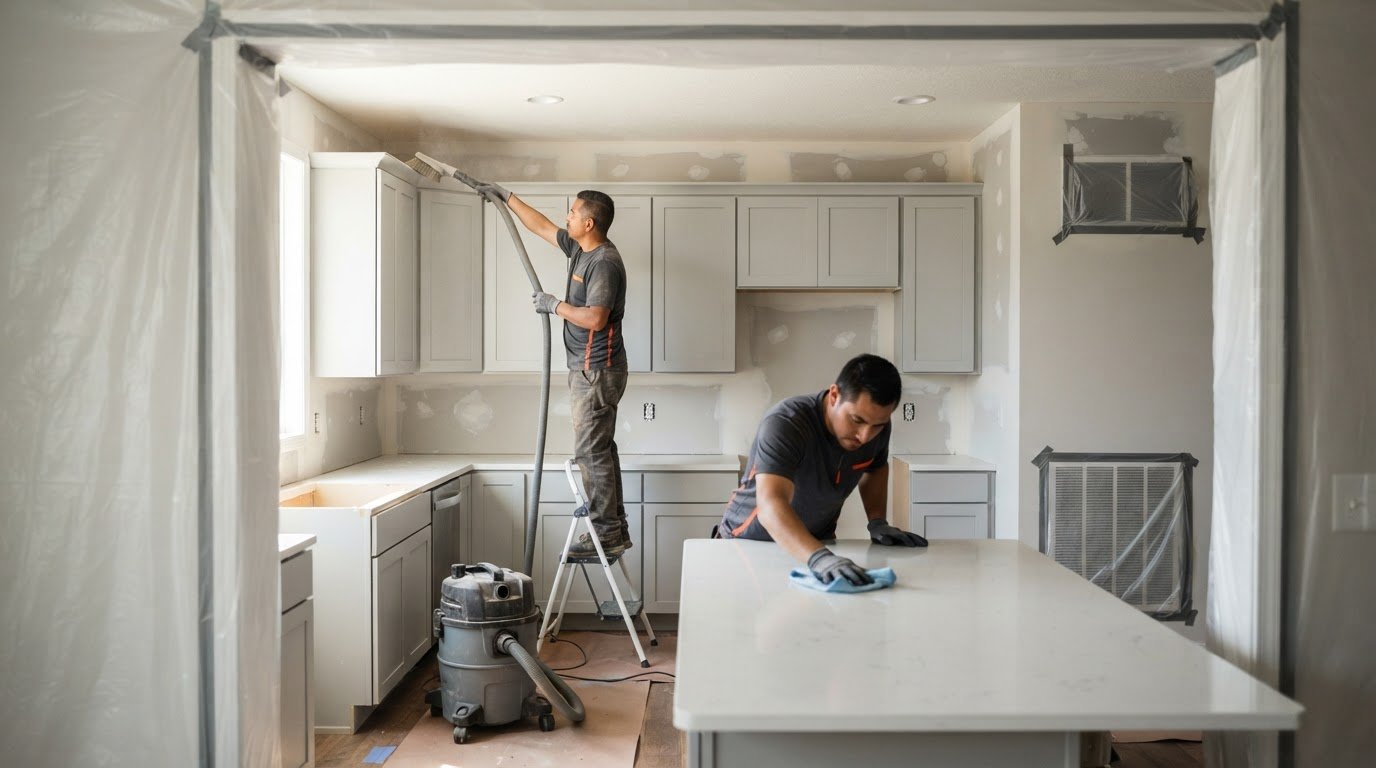
Construction dust can travel beyond the room being remodeled. It may include chemicals found in paint, fiberglass insulation, or cement, while sanding can send fine particles into the air. Dust can be a particular concern for people with health sensitivities. Keep doors between living spaces and work areas closed, and use temporary doors or plastic sheeting as barriers.
Protect your home before work starts: move electronics, artwork, and other sensitive belongings away from the work zone, and cover anything that must remain nearby. Ask the crew to protect the floors and contain dust at the work area. Keep vents in the work zone sealed to limit dust circulating through the home, and use an air purifier in your clean room.
Daily routines may need to change when construction affects a kitchen, breakfast nook, or bathroom. Move a microwave and coffee supplies to another room, and choose a spot for calls or relaxation. A remodel or addition may also use the garage as a work area, if agreed. Living in your home during a remodel is easier when you know what will happen each day, which spaces remain usable, and when the crew expects to finish.
2. How to live through a home renovation?
Separate the work zone from household spaces to help control dust, noise, and odors. Ask the remodeling team where barriers will go, which rooms will remain accessible, and how the work may affect the renovation schedule. During a kitchen remodel, for example, a sealed doorway can separate the active work area from a nearby bedroom or living room.
Plastic sheeting and temporary doors help contain dust, while floor protection limits debris tracked through the home. Keep the barrier closed and avoid walking through the work zone unless necessary. Homeowners can also move belongings away from shared walls and doorways, where passing workers or airborne dust may reach them.
Use an air purifier in the cleanest occupied room, and maintain its filters according to the manufacturer’s instructions. Ventilation can help clear odors, but airflow should not carry dust from the work area into bedrooms or other living spaces. Ask whether the remodeling team will use an air scrubber along with dust barriers and regular cleanup.
Cleaning works best as an ongoing routine, not a single task at the end. Keep work-zone debris separate from household trash, and wipe settled dust from nearby surfaces with a damp cloth. Pay attention to window sills, floors, and surfaces used for meals. Drywall sanding can leave fine dust airborne for a while, so avoid entering the area until active work has stopped and dust has settled.
Set a daily rhythm around the work schedule: plan calls away from noisy tasks, keep a clean room available, and agree on how the contractor will share changes. That structure helps households living through construction adjust without losing every familiar routine. For a kitchen project, kitchen remodeling planning can also account for how the work zone affects adjacent rooms and daily use.
3. Preparing meals during a kitchen remodel
Plan for several weeks without a functioning kitchen sink or cooktop. Cabinet installation, countertop templating and fabrication, and final plumbing connections all affect when those fixtures become available. Ask about the work sequence so you can plan meals, dishwashing, and grocery trips around the renovation.
Set up a temporary kitchen outside the work zone, such as in a dining area or spare room. Choose a spot with access to water, cold food storage, and two or three heat sources. A microwave, toaster oven, and mini fridge can handle simple meals; a hot plate or coffee maker may help keep your routine familiar.
Keep everyday supplies together in one bin: plates, utensils, paper towels, and basic seasonings. Prepare freezer meals before demolition, or choose foods that need little preparation, such as sandwiches and microwaveable dishes. Store ingredients in a mini fridge and make a simple meal plan, so you’re not deciding what to cook while searching through packed boxes.
Living at home during a remodel can take extra planning each day. Cooking, cleaning, and getting water may take longer when the kitchen is unavailable. Extra food costs depend on how often you buy takeout, which meals you can make with small appliances, and how much you rely on stored or ready-to-eat food. Set a household meal budget based on those choices rather than assuming one typical amount.
For cleanup, use disposable plates when washing dishes is difficult, or carry a small basin to a working sink. If bathroom work overlaps with kitchen work, keep essential toiletries and towels accessible, and plan around the bathroom that remains usable. Decide where food, appliances, and supplies will go before work starts. A defined temporary setup makes meals easier to manage while the kitchen is out of service.
4. Where to Stay During a Home Renovation: Should You Stay or Should You Go?
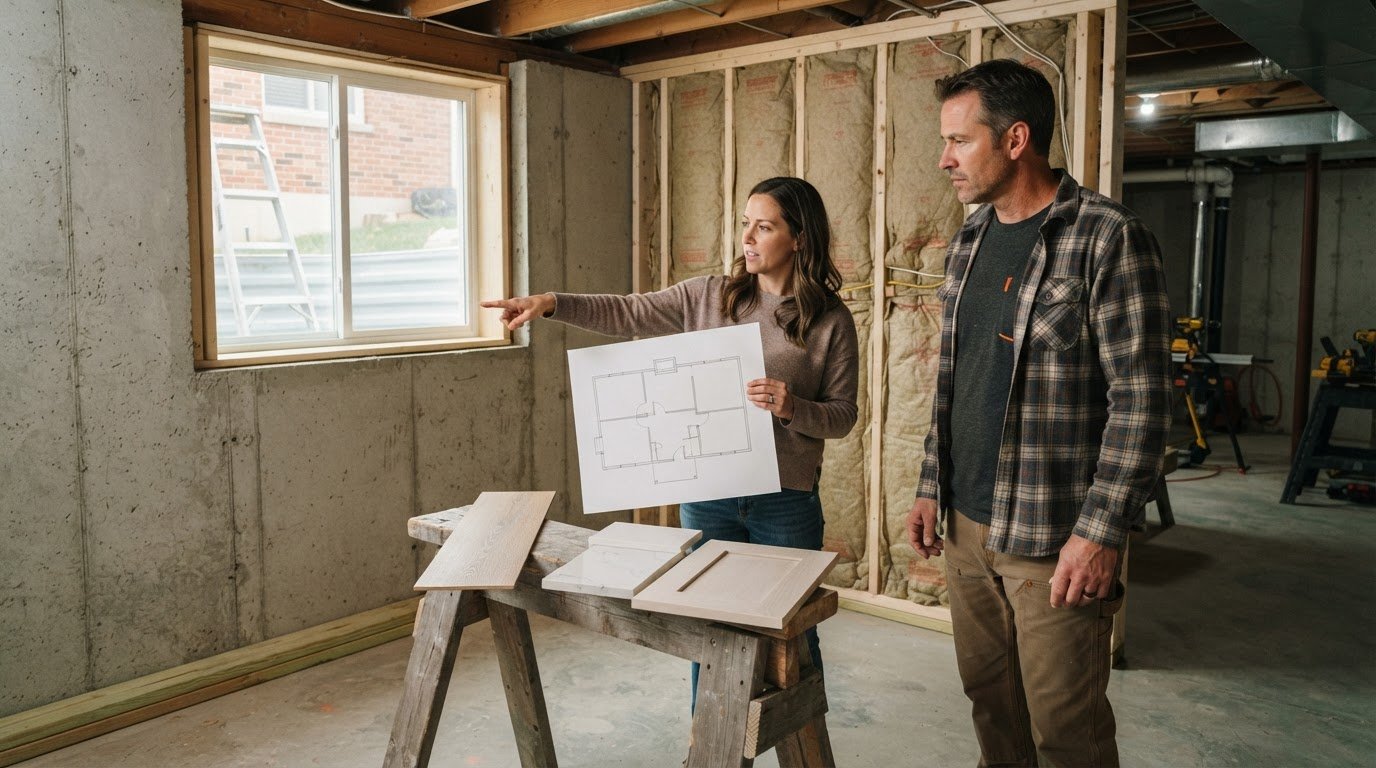
Start with the project scope. Remodeling one room, such as a kitchen or bathroom, is often manageable if other essential spaces remain usable. A basement project may also leave the main living area available. By contrast, a gut renovation, whole-home project, or heavy demolition can make staying uncomfortable or unsafe, especially for households with young children, pets, or respiratory sensitivities.
Staying home can help you follow progress and weigh in on design choices. It can also avoid temporary housing costs, though daily life may involve noise, limited access, and extra meal planning. During a bathroom remodel, sequencing the work can preserve access to another bathroom. If your home has only one, arrange another place to shower while fixtures are unavailable.
Moving out may be safer when structural changes make the home unsafe or running water or electricity will be unavailable for an extended period. A hotel, short-term rental, or friend’s home can also help during heavy demolition. You might relocate for two or three of the heaviest weeks, then return when the work area is contained and essential rooms are usable. Compare the need for accommodation with the disruption of staying, rather than focusing only on lodging.
Local building codes and permit requirements depend on the project and its location. They don’t provide one universal stay-or-go answer. Base your decision on safe access, usable living space, and available utilities.
Before the remodeling project begins, map out which rooms remain accessible, where you’ll sleep, and how you’ll handle coffee, meals, and bathroom use. If the work affects several parts of the home, discuss your renovation plan and how its phases affect daily routines. A clear scope makes it easier to decide whether staying is comfortable or temporary housing is the safer, more practical choice.
Strother Built Construction
Strother Built Construction helps homeowners plan residential remodeling with the impact on daily life in mind. If you’re deciding whether to stay home, discuss the project scope, the rooms affected, and how the work may change access to essential spaces.
Kitchen, bathroom, and basement remodeling can affect household routines in different ways. Architectural Design services can also support planning for renovations involving broader changes. A clear conversation about your goals and the spaces you need to keep usable can help shape a plan that fits your household.
Bring your priorities and questions about living arrangements to the project discussion. Contact Strother Built Construction to talk through your remodeling plans.
Make your next step a clear one
Renovation planning isn’t only about choosing finishes. It’s also about shaping a process that fits how your household lives, works, and rests. As you consider living in your home during a remodel, think about the routines you most want to protect and the spaces that matter most each day.
Bring those priorities into the planning conversation. A clear picture of your household’s needs can guide decisions about the project and how it unfolds, helping the changes feel purposeful from the start. Strother Built Construction works with homeowners on kitchen, bathroom, and basement remodeling, with each project shaped around the home and the people who live in it.
Ready to talk through your plans? Contact Strother Built Construction today and take a thoughtful first step toward a home that works better for you.
Frequently Asked Questions
Can You Live in Your House During a Remodel?
Yes, you can often stay home if the work is contained and essential rooms remain accessible. Before deciding, consider how construction may affect sleep, remote work, and household members with dust sensitivities. Make a room-by-room plan for where everyone can spend time, and identify what might prompt you to stay elsewhere, such as losing access to a necessary living area.
How Do You Handle Bathrooms During a Remodel?
You can manage a bathroom remodel at home if another usable bathroom is available. Keep toiletries, towels, and daily medications together in a portable caddy so they’re easy to carry between rooms. If your home has only one bathroom, plan where household members can wash and use the toilet while fixtures are removed. Account for morning routines, not just overnight arrangements.
How Do You Set Up a Temporary Kitchen?
Choose a spot outside the work zone for food preparation and cleanup, so you won’t need to move supplies each day. Group utensils, plates, pantry staples, and cleaning items together, then plan simple meals around the appliances available. A written meal rotation helps avoid repeated grocery decisions. Keep ingredients that need refrigeration stored safely, and clear the temporary area after meals.
How long will I be without a kitchen during a remodel?
Plan for several weeks without a functioning kitchen sink or cooktop during a kitchen remodel. The timing depends on the sequence of cabinet installation, countertop templating and fabrication, and final plumbing connections. Ask for updates tied to those milestones rather than relying only on a broad project finish date. This makes it easier to adjust meals as the kitchen becomes usable again.
How to live through a home renovation?
Use one shared household calendar for work areas, important calls, meal plans, and changes to daily access. Review it together each evening so everyone knows what to expect the next day. For households in Des Moines or Ankeny, agree on one communication method with the remodeling team and keep project updates in one place instead of scattered messages.
Where to Stay During a Home Renovation: Should You Stay or Should You Go?
Stay if the project leaves safe, usable living space and your household can manage the temporary disruptions. Arrange to stay elsewhere if major work makes the home unsafe, essential utilities will be unavailable for an extended period, or the entire house is under renovation at once. Compare each option against your household’s needs for sleep, meals, bathroom access, and quiet.
Comments